Easy Miso Soup (Gluten-Free) Recipe
If you’ve ever wanted to make a comforting, savory broth but thought it might be complicated, I’ve got great news for you. This Easy Miso Soup (Gluten-Free) Recipe truly lives up to its name! It’s quick, simple, and so satisfying with just a handful of wholesome ingredients. Whether you’re a miso soup newbie or looking for a reliable, gluten-free version, you’ll find that this recipe hits all the right notes — plus, I’ll share some little tricks that make it downright addictive.
Why You’ll Love This Recipe
- Quick and Easy: Ready in under 10 minutes, it’s perfect for busy weeknights or when you’re craving something warm fast.
- Gluten-Free Friendly: Uses gluten-free miso paste and simple ingredients, making it safe and delicious for those sensitive to gluten.
- Authentic Flavor: Incorporates traditional ingredients like hondashi and wakame, delivering a rich umami punch without the hassle.
- Customizable: Easily adjust miso type and add-ins to suit your taste or dietary needs.
Ingredients You’ll Need
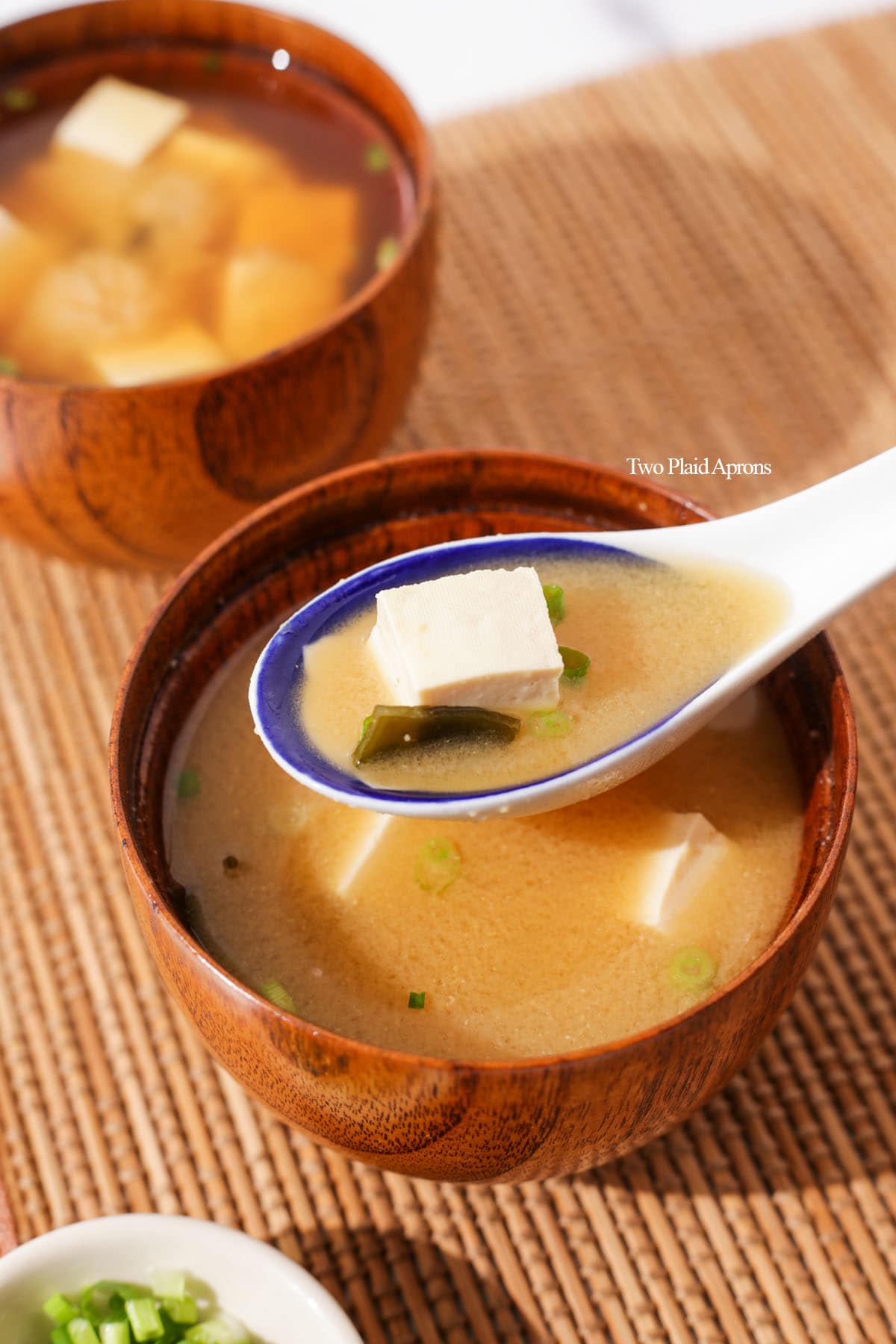
Each ingredient in this Easy Miso Soup (Gluten-Free) Recipe works in harmony to create that classic, soothing broth we all love. I always choose good quality miso paste and fresh tofu to make this soup shine, and here’s why.
- Water: Your soup’s base; plain and simple but essential for bringing everything together.
- Hondashi powder: A quick dashi stock substitute that adds authentic umami depth without making things fussy.
- Wakame seaweed: Adds texture and an ocean-fresh flavor; dry wakame rehydrates and expands, so cutting it into small pieces makes eating easier.
- Tofu: Silky or firm, your choice! I prefer softer tofu that melts lightly in the broth, but firmer cubes hold up nicely too.
- Gluten-free miso paste: White, yellow, or red—pick based on how sweet or savory you like your soup; red miso packs more punch, so use a bit less if you try it.
- Green onion: Optional but provides fresh brightness and a slight crunch when sprinkled on top.
Variations
I love how versatile this Easy Miso Soup (Gluten-Free) Recipe is — you can keep it simple or dress it up depending on the mood. I often tweak it slightly to highlight different flavors or adapt to what I have on hand. Here are some ideas to make it your own.
- Veggie Boost: Once, I added sliced shiitake mushrooms and thin carrot strips for extra texture — it turned out fantastic and felt heartier.
- Miso Type Swap: Switching between white and red miso changes the whole character of the soup; I use red miso when I want a richer, more robust flavor.
- Protein Options: If you’re not a tofu fan, try adding cooked shrimp or shredded chicken for a different spin.
- Spicy Kick: Adding a few drops of chili oil elevates the warmth — perfect for chilly days when you want a little heat.
How to Make Easy Miso Soup (Gluten-Free) Recipe
Step 1: Bring the Broth to Life
Start by heating 4 cups of water in a pot until it reaches a rolling boil. Then, sprinkle in the hondashi powder and toss in the wakame seaweed along with the diced tofu cubes. This is where the magic begins — the combination simmers together, allowing the flavors to blend beautifully. I usually keep the heat on high enough to get a good simmer, but not a roaring boil, so the tofu doesn’t break apart.
Step 2: Let the Wakame Rehydrate
Once your soup is simmering again, give it about 3 minutes for the wakame to soften and bloom back to life. This is a step I make sure not to skip because wakame tastes bland and chewy if under-hydrated. Keep an eye on the tofu cubes too — they should stay intact but warm through.
Step 3: Dissolve Miso with Care
Here’s where I’ve learned a neat little trick: turn off the heat before adding the miso paste. Take a fine mesh strainer and stir the miso in it, letting the hot broth slowly strain through and dissolve the paste into a smooth, silky consistency. If you don’t have a strainer, it’s totally fine to scoop out some broth, whisk the miso in a bowl, then pour it back in. Just avoid boiling the miso directly—it kills its delicate probiotics and can create bitterness.
Step 4: Add a Fresh Finish and Serve
Finally, sprinkle the thinly sliced green onions on top for a fresh pop of flavor and color. Serve your Easy Miso Soup (Gluten-Free) Recipe immediately while it’s still hot — you’ll want to enjoy all those lovely umami notes at their peak!
Pro Tips for Making Easy Miso Soup (Gluten-Free) Recipe
- Don’t Boil the Miso: Adding miso to boiling soup kills the yummy probiotics and can make the soup taste bitter—always dissolve off heat.
- Cut Wakame Into Smaller Pieces: It expands a lot, so breaking it up makes eating the soup easier and more enjoyable.
- Adjust Miso Quantity: Start with the recommended amount but feel free to add more or less to suit your taste buds perfectly.
- Use Fresh Tofu: Fresh tofu with minimal water content helps keep the soup silky and prevents it from becoming too watery.
How to Serve Easy Miso Soup (Gluten-Free) Recipe
Garnishes
I always top my miso soup with thinly sliced green onions—they add a bright, fresh note that balances the richness of the broth. Sometimes, I sprinkle a little toasted sesame seeds or a pinch of shichimi togarashi if I want a subtle kick. A few delicate leaves of fresh cilantro or a tiny dash of yuzu zest can also elevate it beautifully.
Side Dishes
This soup pairs like a dream with a simple bowl of steamed rice or a few pieces of gluten-free vegetable tempura. When I want a fuller meal, I serve it alongside grilled salmon or a crisp seaweed salad. The lightness of the broth balances richer flavors perfectly.
Creative Ways to Present
For special occasions, I’ve ladled the soup into elegant lacquer bowls and added little edible flowers for a pop of color. Serving it in clear glass mugs is another fun way to show off the beautiful golden broth and colorful toppings. It’s a simple touch that always impresses guests.
Make Ahead and Storage
Storing Leftovers
I usually store leftover miso soup in an airtight container in the refrigerator for up to 2 days. If you plan to keep it longer, just hold off on adding the tofu and green onions until you reheat to keep everything fresh.
Freezing
Freezing miso soup is possible, but I find the tofu texture changes a bit, becoming crumbly. If you do freeze, make sure to thaw slowly in the fridge and reheat gently on the stove, stirring well to recombine.
Reheating
When reheating, warm the soup over low heat and avoid boiling. If the miso has settled, gently whisk it back in. Add fresh green onions at the last moment so they stay crisp and colorful.
FAQs
-
Can I use regular miso paste instead of gluten-free?
Absolutely! While this recipe highlights gluten-free miso to accommodate sensitivities, regular miso paste works just as well and delivers the same delicious flavor. Just double-check any additives if gluten is a concern.
-
What’s the best type of tofu for miso soup?
Silken tofu is classic because it’s super soft and melts mouthfully in the broth. But if you prefer a bit more bite, firm or medium-firm tofu also works nicely and won’t crumble as easily during cooking.
-
Can I make this soup vegan?
Yes! Use vegetarian or vegan hondashi alternatives, and ensure your miso paste contains no fish products. The rest of the ingredients are naturally plant-based.
-
How can I adjust the soup if I don’t have hondashi?
If you don’t have hondashi, you can make a simple dashi broth from kombu (kelp) and dried shiitake mushrooms, or just use good-quality water and rely on the miso paste to provide flavor. The soup will be lighter but still tasty.
Final Thoughts
I absolutely love how this Easy Miso Soup (Gluten-Free) Recipe comes together effortlessly yet tastes so authentic and comforting. The first time I made it, I was amazed at how a few pantry staples could create such a rich, soothing broth. Whether you’re warming up from a chilly day or just need a simple but satisfying soup, this recipe is one I recommend again and again. Give it a try—you’ll see why my family goes crazy for it, and I’m betting it’ll become one of your favorites too!
PrintEasy Miso Soup (Gluten-Free) Recipe
Lemon Chicken Orzo Soup is a comforting, bright, and flavorful Mediterranean-inspired soup made with tender chicken, delicate orzo pasta, fresh lemon juice and zest, aromatic herbs, and a creamy touch of heavy cream. This hearty soup combines savory roasted chicken with a classic mirepoix base and a hint of citrus, creating a perfect balance for a wholesome and satisfying meal.
- Total Time: 50 minutes
- Yield: 8 servings
Ingredients
- 1 cup uncooked dry orzo
- 2 large chicken thighs or breast, roasted or cooked
- 6 cups water
- 3 cups chicken broth
- 1/4 cup heavy cream
- 1 large lemon, juiced and zested
- 1/4 cup fresh dill, finely chopped
- 1 Tablespoon fresh parsley, finely chopped
- 2 teaspoons seasoning salt or sea salt
- 1 teaspoon dried oregano
- 1/2 teaspoon paprika
- 1/2 teaspoon ground black pepper
- 1/4 teaspoon ground turmeric
- 1/4 teaspoon crushed red pepper flakes (optional, for heat)
- 1 large yellow onion, diced
- 4 large carrots, peeled and diced
- 2 sticks celery, minced
- 8 garlic cloves, pressed or minced
- 2 Tablespoons flour
- 3 Tablespoons unsalted butter
- Olive oil (for cooking chicken and vegetables)
Instructions
- Cook the chicken: If using pre-cooked rotisserie chicken, skip this step. Season the chicken thighs generously with the seasoning salt, paprika, turmeric, black pepper, and crushed red pepper flakes. Heat olive oil in a large heavy-bottom pot or Dutch oven over medium heat. Cook the chicken thighs about 2 minutes per side to render fat and develop flavor. Remove and set aside.
- Prepare the mirepoix and roux: In the same pot, drizzle more olive oil if needed, then add the diced onion, carrots, celery, and minced garlic along with the remaining seasonings. Add the unsalted butter and cook on medium heat for about 5 minutes until the vegetables are fragrant and translucent, stirring frequently. Sprinkle the flour over the vegetables and stir continuously for 1-2 minutes until the mixture thickens into a roux-like consistency.
- Prepare the lemon: Rinse and dry the lemon thoroughly. Zest the peel and juice the entire lemon into a small bowl. Set aside—the zest and juice will add vibrant citrus brightness to the soup.
- Add liquids and simmer: Pour in the 6 cups of water and 3 cups of chicken broth into the pot. Bring the mixture to a boil, then reduce heat to medium-high and let simmer for 25-30 minutes to deepen flavors. If you cooked the chicken in step 1, add it back now and simmer for 20-25 minutes, then remove the chicken, shred it finely, and set aside.
- Add orzo, chicken, and lemon: Add the dry orzo pasta, shredded chicken (or pre-cooked chicken), lemon juice, and lemon zest into the pot. Stir well and simmer for an additional 15-20 minutes, stirring frequently to prevent the orzo from sticking to the bottom, until the pasta is tender and fully cooked.
- Finish the soup: Remove the pot from heat once the orzo is soft and the soup has thickened slightly. Stir in the heavy cream, fresh dill, and parsley. For even more intense lemon flavor, remove any lemon peels if used before serving. Adjust salt if necessary, as broth and pre-cooked chicken may already add saltiness.
Notes
- This soup thickens as it cools because the orzo absorbs liquid. When reheating, add a splash of broth or water to adjust consistency.
- Store leftovers in the refrigerator for up to 2 to 3 days.
- For a fresh flavor boost, squeeze additional fresh lemon juice before serving.
- Use fresh herbs generously; dill enhances the lemony profile magnificently.
- If using lemon peels, simmering them enhances the citrus aroma, but remove before serving to avoid bitterness.
- Prep Time: 10 minutes
- Cook Time: 40 minutes
- Category: Soup
- Method: Stovetop
- Cuisine: Mediterranean